All-in-One Camp Kitchen Box vs. Building a Setup Piece by Piece

Two campers can spend nearly the same money and still end up with very different mornings. One opens a single case and is pouring coffee in under a minute; the other is still digging through a milk crate for the faucet pump that lives in a different bin. The choice behind that gap comes down to one decision: do you buy an all-in-one camp kitchen box, or assemble your setup piece by piece from separate gear? Here is the honest trade-off, with real numbers.
The two ways to build a camp kitchen
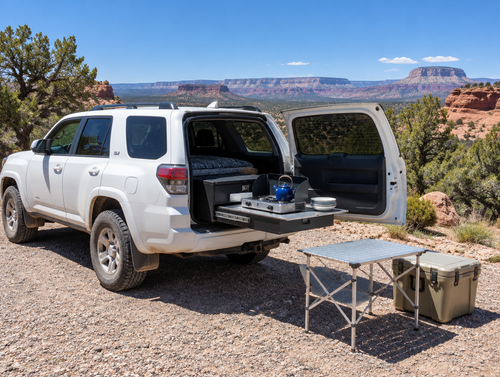
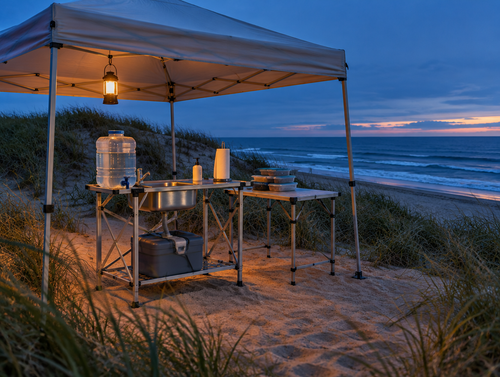
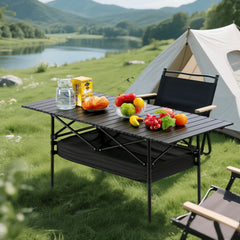
An all-in-one camp kitchen box is a single unit where the stove, sink, faucet, water tank, cookware, and storage are integrated and the whole thing deploys as one station. You unlatch it, unfold it, and your kitchen exists. A piece-by-piece setup is the opposite approach: you pick each component on its own — a camp stove here, a folding table there, a water jug, a wash basin, a cookware set, some utensils, and a tote to corral it all — then combine them into a working station yourself.
Both paths get you cooking outdoors. Where they diverge is cost, time, and how much fiddling you do once you are actually at camp. If you are still deciding whether the box category is even right for you, our guide to what a camp kitchen box is lays out the fundamentals before you spend a dollar.
The piece-by-piece price tag, line by line
The appeal of going à la carte is that each piece looks cheap on its own. The catch is that a real, functional kitchen needs all of them, and the total adds up faster than most people expect. Here is a realistic breakdown using current US retail pricing for mid-grade car-camping gear.
| Component | Typical cost |
|---|---|
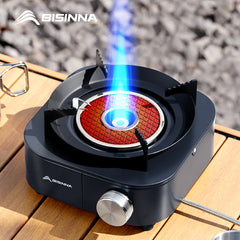
| Two-burner camp stove | $80 – $180 |
| Folding prep table | $35 – $120 |
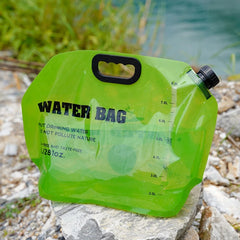
| Water container (5-gallon jug) | $20 – $50 |
| Collapsible sink or wash basin | $10 – $80 |
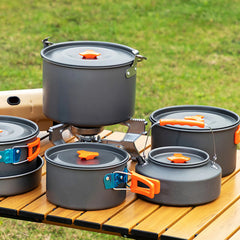
| Cookware set (pot, pan, kettle) | $50 – $150 |
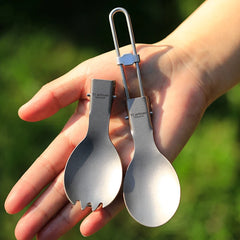
| Plates, cups, and utensils | $25 – $60 |
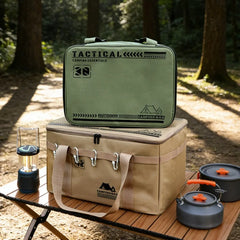
| Storage bin or tote | $20 – $80 |
| Realistic total | $240 – $720+ |
The stove is usually the anchor purchase, and it sets the tone for the rest. A budget two-burner like the Coleman Cascade Classic runs around $180, big-box entry models start near $160, and a premium unit like the Camp Chef Mountaineer can reach $470. Spend less and you save up front; spend more and you are paying for BTUs, wind protection, and longevity. Either way, it is just one line on the list.


The costs that never show up on the receipt
Add up the gear and a piece-by-piece kitchen can look competitive, even cheap. But the dollar total hides three costs that only reveal themselves later.
- Research and shopping time. Buying seven separate things well means seven separate decisions — reading reviews, comparing sizes, checking what fits your vehicle. It is hours of work spread across multiple orders and returns.
- Compatibility and fit. Pieces bought separately were never designed to work together. The faucet pump may not clamp to your jug, the basin may not nest inside anything, and nothing stacks cleanly. You end up engineering the connections yourself, often with a few failed Amazon orders along the way.
- Setup and teardown at camp. A station made of seven loose items is seven things to unpack, arrange, level, and repack every single time. That is the difference between cooking in one minute and assembling a kitchen for fifteen.
There is a fourth, quieter cost: between trips, loose gear scatters. The spork migrates to a junk drawer, the faucet pump ends up in the garage, and you are re-shopping for a $9 part the night before you leave. The component people most often underestimate is water — a jug, a pump, and a basin that all play nicely together is harder to assemble than it sounds.


Where an all-in-one box pulls ahead
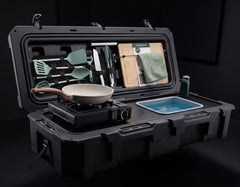
An integrated box exists precisely to erase those hidden costs. Everything is chosen to fit together, packs into one weatherproof shell, and travels as a single object. The VOZ Camp Kitchen is built around the parts a piece-by-piece setup struggles to unify: a stove, a real sink with a USB-rechargeable faucet, a water tank, and more than 30 camping items, all inside one weatherproof case. There is nothing to source separately and nothing left behind in the garage, because it is all one unit.


That integration pays off in ways that matter beyond convenience. A station with built-in running water makes it far easier to keep hands and surfaces clean, which is the backbone of safe outdoor cooking. The FDA's guidance for eating outdoors stresses keeping cold perishables at or below 40°F and discarding any that sit out longer than two hours — just one hour when it is above 90°F. A tidy, water-equipped station makes following those rules routine instead of a scramble. For a full rundown of what to weigh before buying any kitchen, see our guide to the best camp kitchen setup in 2026.

When building piece by piece still makes sense
Going à la carte is not a mistake — for some campers it is genuinely the right call:
- You already own half the gear. If a good stove and solid cookware are already in your garage, you are only filling gaps, and the math changes completely.
- You have a very specific need. Cooking for a large group, running a specialized rig, or wanting one oversized burner can justify hand-picking each component.
- You enjoy the curation. Some people like building the perfect kit one well-researched purchase at a time, and that is a legitimate hobby in itself.
- Your budget is tight right now. Buying one piece a month spreads the cost out, even if the all-in total ends up higher.
What piece-by-piece usually is not is the effortless, money-saving shortcut it first appears to be. Once you count the shopping time, the compatibility headaches, and the daily setup at camp, an integrated box often wins on everything except raw flexibility.
FAQ
Is buying separate pieces cheaper than an all-in-one box?
Not as often as it looks. The individual items can total anywhere from about $240 to over $720 for mid-grade gear, and that is before you factor in the hours of shopping and the trial-and-error of making mismatched pieces work together. The headline price of each part is low; the assembled whole rarely is.
How long does a piece-by-piece setup take to deploy at camp?
Plan on several minutes every time. Each loose component — stove, table, water, basin, cookware — has to be unpacked, positioned, and leveled on its own. An integrated box deploys as a single motion, which is why the time gap is so wide.
What is the component people most often underestimate?
Water. A jug, a pump or faucet, and a wash basin that actually fit and drain together are surprisingly hard to assemble from separate parts. A built-in sink, faucet, and tank solve the whole problem at once.
Can I start piece by piece and upgrade to a box later?
Absolutely, and many campers do. Starting with a stove and cookware you already own is a fine way to test how much you camp. If outdoor cooking sticks, consolidating into one integrated kitchen removes the friction you have been living with.
Ready to upgrade your camp kitchen?
The VOZ Camp Kitchen includes everything you need in one weatherproof case. Sets up in 15 seconds.
Shop VOZ Camp Kitchen →