Camp Kitchen for Tailgating: How to Cook Like a Pro in a Parking Lot

A tailgate is a camp kitchen problem wearing a jersey. You have a few square feet of asphalt, no running water, no outlet, a hungry crowd, and a clock that runs out at kickoff. The fans who eat well in that environment are not the ones with the biggest cooler. They are the ones whose kitchen deploys in one move and packs away just as fast.
Why a parking lot is harder than a campsite
A campsite gives you space to sprawl. A tailgate gives you one painted parking stall and a rule that you stay inside it. At MetLife Stadium, for example, the policy is one car equals one space, and your tables, chairs, coolers, and grill all have to live within the footprint of your own stall and the area directly in front of or behind your vehicle. Spread into the empty spot next door and you can be asked to pack it up.
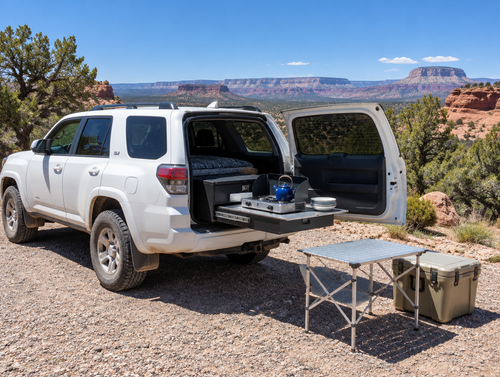
That constraint changes everything about how you cook. You cannot lay gear across three folding tables the way you might at a campground. You need a kitchen that goes vertical and stays contained: a prep surface, a stove, water, and storage stacked into the smallest reliable footprint you can manage. The lots also open on a clock. Most NFL stadium lots open roughly four to six hours before kickoff, so your real cooking window is shorter than the tailgate itself once you account for setup, eating, and breaking down before you head in.

The stadium rulebook you have to cook around
Before you plan a single menu item, plan around the fire rules, because they vary by venue and they are strict. Many stadiums in states with tough fire codes only allow cooking on an elevated stove burning propane, natural gas, or electricity. Charcoal grills, wood fires, and open-pit setups are commonly banned outright in the lots, and oil deep-fryers are frequently prohibited too. MetLife, governed by New Jersey fire regulations, is a clear example: propane and gas are fine, charcoal and open flames are not, and the venue even stages dedicated hot-coal disposal bins for the lots that do permit briquettes elsewhere.
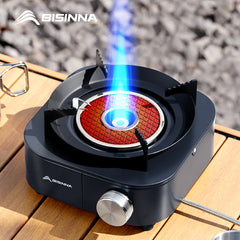
The practical takeaway is simple. A propane or butane burner is the safest bet for tailgating almost anywhere, while a charcoal kettle might get you turned away at the gate. If you are building a tailgate cooking setup from scratch, start with a gas stove rather than charcoal so you are never the group scrambling to find a legal way to cook an hour before the game.


Canopy size is regulated too. At many venues a pop-up tent larger than an 8-foot-by-8-foot footprint is not allowed in a lined parking space. Check your specific stadium's published tailgating policy before game day, because the venue's own page is the only rulebook that actually counts.
What a tailgate kitchen actually needs
Strip away the team flags and coolers of drinks, and the cooking core of a great tailgate is short. You need five things working together:
- A gas burner that lights fast and runs on a small bottle you can legally use in the lot.
- A stable prep surface at standing height, because crouching over a tailgate to cut onions gets old in the first ten minutes.
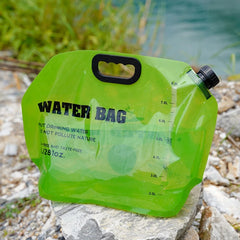
- Water you brought with you for rinsing hands, wiping the cutting board, and cleaning up, since the lot has none.
- A cold-holding cooler kept separate from your drinks so raw meat never shares ice with the sodas.
- Contained storage so the whole kit fits in one vehicle and inside one parking stall.
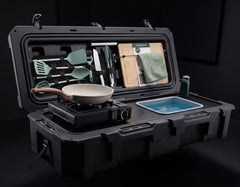
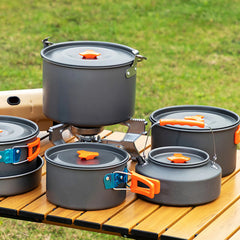
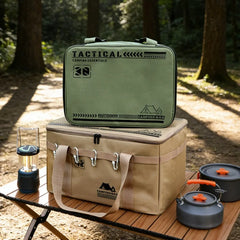
This is exactly the checklist a complete camp kitchen box was built to solve. A self-contained unit like the VOZ Camp Kitchen folds a stove, a sink with a USB-rechargeable faucet, a 2-gallon water tank, cookware, and 30-plus items into one weatherproof case that opens into a full standing kitchen and closes back into a single liftable box. For a parking-lot setup that has to respect a painted line, an all-in-one box is the cleanest answer: one thing comes out of the trunk, and one thing goes back in. For a deeper breakdown of how these boxes compare on size, water, and burner power, our guide to the best camp kitchen setup for 2026 walks through what to look for before you buy.


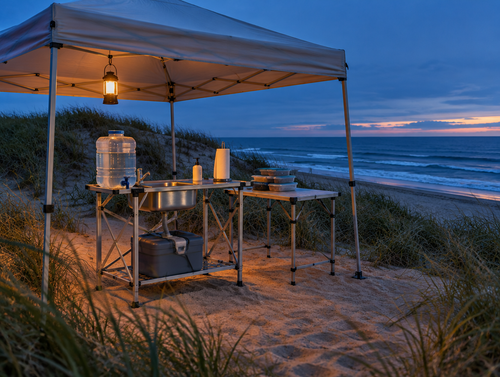
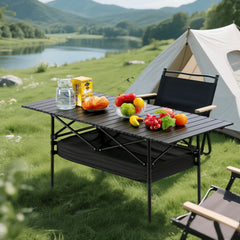
If you would rather build it piecemeal, the two pieces most tailgaters underestimate are the table and the water. A sturdy folding camp table gives you the prep height and the serving surface a tailgate lives on, and it doubles as the spot the burner sits on once the food comes off.


Food safety when there's no kitchen sink
Tailgating is one of the riskiest ways Americans cook, because you are handling raw meat in the heat with no refrigerator and no running water. The USDA's Food Safety and Inspection Service treats a tailgate exactly like a picnic and lays out clear numbers worth memorizing. Cook beef, pork, lamb, and veal steaks and chops to an internal temperature of 145°F, and cook all poultry to 165°F, verified with a food thermometer rather than by color. Once it is cooked, keep hot food hot at 140°F or above until it is served.

The cold side matters just as much. Keep perishable food at 40°F or below in a cooler packed with plenty of ice, and do not let cooked or perishable food sit out longer than two hours. When it is hotter than 90°F outside, that window shrinks to just one hour before food should be tossed. Bring water and soap or hand sanitizer for cleanup, and never use the plate that held raw meat for the cooked food coming off the burner. You can read the full federal guidance on the USDA tailgating food safety page. One more seasonal note from USDA: if you run a propane grill, check the gas hose for leaks before the first cookout of the year.
A setup that beats the clock at both ends
The part of tailgating nobody posts about is the teardown. The game is starting, everyone wants to get to their seats, and you are the one still scrubbing a greasy grate and hunting for the lid that fits the pan. The fix is to choose gear that breaks down as fast as it sets up. A camp kitchen box wins here because cleanup happens at its own built-in sink, the cookware nests back into the same case, and the whole kitchen latches shut as one unit you can lift into the trunk in under a minute.
If you want to pressure-test your own list before the season starts, our ultimate camp kitchen checklist of 47 items is a printable way to make sure nothing essential gets left in the garage. And if you are still deciding which complete kit to trust with a tailgate's abuse, the honest review of the best camp kitchens of 2026 compares the real contenders side by side.
Tailgating camp kitchen FAQ
Can I use a charcoal grill to tailgate?
It depends entirely on the venue. Many stadiums in strict fire-code states ban charcoal and open flames in the lots and allow only propane, natural gas, or electric cooking on an elevated stove. A gas burner is the universally safer choice. Always confirm on your specific stadium's tailgating policy page before game day.
How much space does a tailgate kitchen need?
Plan to fit everything inside one parking stall, which is the rule at venues like MetLife where one car equals one space. A compact all-in-one camp kitchen box is ideal because it opens into a full standing kitchen but stays within the footprint of your own vehicle and stall.
How do I keep food safe with no fridge or sink?
Bring a well-iced cooler to hold cold food at 40°F or below, cook to USDA safe temperatures (145°F for red meat, 165°F for poultry), and do not let food sit out more than two hours, or one hour if it is above 90°F. Pack your own water and soap or sanitizer, plus a food thermometer.
What's the fastest setup for a big group?
A self-contained camp kitchen box deploys in one motion and gives you a stove, prep surface, and water in a single unit, so one person can have the kitchen running while everyone else handles chairs and the cooler. It also tears down fast, which matters when kickoff is close.
Ready to upgrade your camp kitchen?
The VOZ Camp Kitchen includes everything you need in one weatherproof case. Sets up in 15 seconds.
Shop VOZ Camp Kitchen →