How to Store a Camp Kitchen Between Trips (So It's Ready Next Time)

A camp kitchen box earns its keep on the road, but it spends most of the year sitting in your garage. How you store it between trips decides whether it opens up clean and ready in spring, or whether you find a musty case, a corroded faucet, and a stove that won't light. Here's how to put a camp kitchen away the right way.
Why a camp kitchen box needs its own storage plan
A loose stack of camping gear breathes. A closed camp kitchen box doesn't. You're sealing a stove, cookware, a sink, a water tank, and a battery-powered faucet inside one weatherproof case, and that case is very good at trapping whatever you put in it, including moisture. Trapped humidity is what grows mold on a cutting board, blooms rust on a steel pan, and corrodes the contacts inside an electric pump. The same lid that keeps rain out on a trip will keep dampness in during storage.
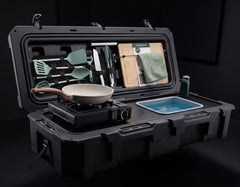
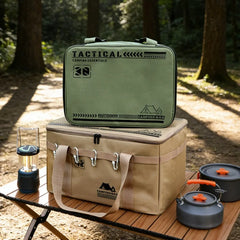
So the goal between trips is simple: everything bone-dry, fuel and batteries handled separately, and the box kept somewhere with stable temperature and low humidity. If you've already read our guide on cleaning your camp kitchen after a trip, storage is the step that locks in that work. The VOZ Camp Kitchen packs into a single hard case, which makes it easy to stow but also means a little prep matters before the latches close.


Step 1: Put it away bone-dry
Drying is the single most important storage step, and it's worth more than a quick wipe. Outdoor gear experts agree that gear should be cleaned and fully dried as soon as you get home, because even after a day or two, trapped moisture lets mold and mildew take hold. A camp kitchen has more wet spots than most gear, so check each one:
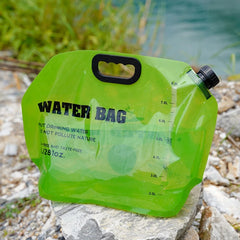
- Water tank and lines: Drain completely, then leave the cap and any valves open so the inside can air out. A sealed tank with a few ounces of standing water is a mold factory.
- Sink and faucet: Run the pump until no more water comes through, then wipe the basin and let it dry uncovered.
- Stove and burners: Wipe off grease and let the grates dry fully. Damp grease residue is what starts surface rust.
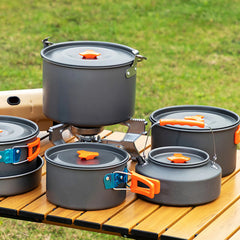
- Cookware: Towel-dry, then air-dry. Nesting a slightly damp pot inside another pan traps moisture for months.
Give the whole kit a day to air out before you close the lid. If you can, leave the case open in a dry room overnight before final packing.

Where to keep the box between trips
Location matters as much as drying. The two worst places for a camp kitchen are the two most common: a hot attic and a damp basement. Gear-care guides specifically warn against attics, where extreme summer heat can degrade plastics, gaskets, and electronics, and against humid basements, where moisture drives mold and rust. A climate-controlled space, even a corner of a conditioned room or a well-ventilated garage in a mild climate, beats both.
A few rules that keep a stored box in good shape:
- Get it off the floor. Put the case on a shelf or a couple of furring strips. Concrete floors wick cold and moisture, and a box flat on concrete invites condensation underneath.
- Aim for cool and dry. Stable room temperature with low humidity is ideal. Big temperature swings drive condensation inside a sealed case.
- Block pests. Mice love an enclosed space that smells faintly of food. Store the box closed and latched, keep no food inside, and consider a sealed bin or shelf away from wall gaps.
- Cover it. A sheet or light tarp keeps dust off the latches and hinges so they open smoothly next season.
If your only option is a garage that gets humid, throw a few reusable desiccant packs inside the case and crack the lid rather than sealing it tight.

Fuel, batteries, and the USB faucet
This is the part people skip, and it's the part that causes the scariest problems. Fuel and rechargeable parts should not be stored the same way as the rest of the kit.
Fuel canisters. Butane and propane do not belong inside a sealed box in your living space. The U.S. Consumer Product Safety Commission advises keeping butane canisters below 120°F to prevent dangerous pressure buildup, and they should sit upright in a cool, dry, ventilated spot out of direct sun. Propane cylinders go a step further: under the national LP-Gas code, NFPA 58, and reflected in OSHA's LP-gas storage rules, propane should be stored outdoors, never in a garage, basement, or interior closet, because an undetected leak indoors can find an ignition source. Take fuel out of the camp kitchen and store it separately and safely.


The rechargeable faucet and any battery parts. A camp kitchen's USB-rechargeable faucet pump runs on a lithium-ion cell, and lithium batteries store best at a partial charge in a cool spot. Battery makers recommend storing lithium-ion cells at roughly 40–60% charge and between about 50°F and 77°F; a fully charged cell left in heat loses capacity far faster. So before long storage, top the faucet to around half charge, then keep it out of a hot attic or car. For any accessory that takes removable AA or AAA batteries, pull them out entirely. Alkaline batteries left in a device for months can leak and corrode the contacts.


How to pack the box for the off-season
Once everything is dry and fuel and batteries are out, repack with airflow in mind rather than maximum compression. A few habits make the difference:
- Leave cookware lids slightly ajar or nested loosely so trapped air can move.
- Stuff a clean towel or two in empty spaces to absorb stray moisture and stop items from rattling.
- Keep small loose items, like utensils and the spice kit, in their own pouch so they don't scatter inside the case. A simple storage bag for overflow gear keeps the main box from getting overpacked.
- Don't cinch soft components down hard for months. Long-term compression wears out seals and fabric, the same way it shortens a tent or sleeping bag's life.
If you want a refresher on exactly what lives inside the box and where it goes, our breakdown of the camp kitchen kit and what's included walks through every component. For the broader logic of keeping a compact setup organized through the season, a portable camp kitchen stays easiest to store when it stays compact.
Getting it trip-ready again
Storage is only half the job; a five-minute check before your first trip of the season saves a ruined dinner. Run through this quickly:
- Open the case and check for any musty smell, condensation, or pest signs.
- Recharge the faucet pump fully and confirm the water flows.
- Flush the water tank with fresh water before you trust it for cooking.
- Test-light the stove at home, not at the trailhead, and reseat a fresh fuel canister.
- Confirm nothing's missing against your packing list; a quick item-by-item audit catches anything that didn't make it back into the box.
FAQ
Can I store my camp kitchen with fuel inside?
No. Take fuel out before storage. Butane canisters should stay below 120°F, upright, and ventilated, and propane should be stored outdoors rather than in a garage or indoors. Keeping a canister sealed inside a hot box is a real safety risk.
How do I keep mold out of a stored camp kitchen?
Dry every wet component completely, leave the water tank and faucet open to air, store the box off the floor in a cool, low-humidity space, and add a desiccant pack if your storage area is damp. Mold needs moisture, so remove the moisture and it can't grow.
Should I leave the faucet battery charged or empty?
Aim for a partial charge of roughly 40–60% for long storage, and keep it somewhere cool. A lithium battery stored full and hot loses capacity faster; stored near empty for many months it can over-discharge.
Is a garage okay for storing a camp kitchen?
A dry, temperature-stable garage is fine for the box and cookware as long as it's off the floor. The exception is fuel: propane should not be stored in a garage at all, and butane should only be there if it stays cool and ventilated.
Do I need to oil or treat anything before storing?
Make sure steel surfaces are dry, since dryness prevents most rust. A very light wipe of food-safe oil on bare-steel cookware or grates adds a thin barrier, but the bigger win is simply storing everything dry.
Ready to upgrade your camp kitchen?
The VOZ Camp Kitchen includes everything you need in one weatherproof case. Sets up in 15 seconds.
Shop VOZ Camp Kitchen →