

Camp Kitchen Trash Management: Keeping Garbage Away From Animals and Packing It Out

Your camp kitchen can be spotless and your food locked away, and one bag of trash hanging off the table can still bring raccoons, ravens, or a bear into your site at 2:00 AM. This guide covers where the trash station goes, how to control smell while you cook, where garbage spends the night, and how to pack it all out without a leaky bag in the back seat.
Why Trash Is the Weak Spot in a Clean Camp Kitchen
Most campers treat food storage seriously and garbage as an afterthought. Wildlife doesn't make that distinction. The National Park Service notes that bears consider anything with a scent to be food, so wrappers and garbage need the same care as the meal itself. Yosemite's rules put it plainly: trash counts as food.
Smell isn't the only problem. NPS bear guidance says bears that eat human food lose their fear of people and can become aggressive, unpredictable, and dangerous, and bears that pose a public safety risk are often euthanized as a result. A greasy paper plate left on a picnic table can lead to exactly that. Smaller animals matter too. Raccoons, ground squirrels, jays, and ravens visit campgrounds too, and a torn bag spread across the site turns a clean camp into a mess fast.
The fix isn't complicated. Run the trash station the way you run the rest of your kitchen: give it one spot, a routine, and a place to go at night.
Setting Up the Trash Station Next to Your Camp Kitchen
Trash belongs in the same zone as the rest of your kitchen, close enough that scraps go straight into the bag, not onto the ground. If you've laid out your site with a fast camp kitchen setup, the trash station is the last piece you put up, and it goes on the wash side of the box, away from where people sit and away from the tent.
- Use two bags, not one. One bag is for wet, smelly waste: food scraps, meat trays, greasy paper towels. The other is for dry recyclables: cans, bottles, clean cardboard. The wet bag is the one wildlife wants, and keeping it small makes it easy to lock away.
- Get it off the ground. Clip the bag to the side of a table or hang it from a hook at counter height. A bag on the dirt gets chewed, tipped over, and soaked with dew.
- Line a hard container. A lidded bucket or small bin with a liner keeps the bag from tearing and holds in some of the smell. Soft bags alone are easy for animals to tear open.
- Keep it downwind of the cook line. You don't want a bag of chicken trimmings in front of your face every time you flip something on the stove.
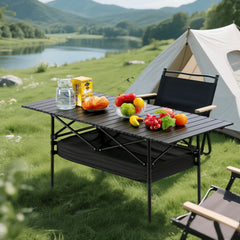
A small side table next to the box gives you a dedicated spot for the bin so it never ends up on your prep surface.


Odor Control While You Cook
A lot of the smell at a campsite comes from cooking, not just from the trash bag. Grease, meat juice, and food stuck to pans smell much stronger than a sealed bag of wrappers. Cutting down odor while you cook is the easiest way to keep the bag from becoming a magnet.
- Bag scraps as you go. Meat packaging and trimmings go into a zip-top bag right away, then into the wet trash bag. Don't let them sit on the counter until after dinner.
- Wipe, don't rinse, greasy pans first. Scrape and wipe grease into a paper towel and put it in the wet bag before the pan goes to the sink. Less grease in the dishwater also makes graywater disposal much easier.
- Strain your dishwater. Pour wash water through a fine strainer and put the food particles in the trash, not on the ground.
- Wash dishes right after the meal. NPS guidance says to wash dirty dishes immediately. Rocky Mountain National Park's campground rules go further: dirty stoves, grills, reusable dishes, and cookware must be washed and stored like food.
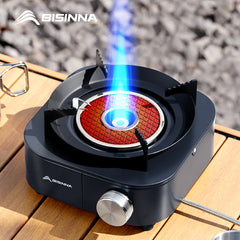
- Clean the stove too. Drips on the burner grate and the box surface keep smelling long after the trash is put away.
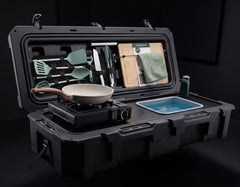
This is where a kitchen with running water earns its keep. The VOZ Camp Kitchen has a built-in sink with a USB-rechargeable faucet and its own water tank, so you can wash, wipe, and close up the kitchen within minutes of eating instead of leaving dirty pots out while you heat water.


Where Trash Goes Overnight (and When You Leave Camp)
This is where campers get ticketed. Rules vary by park, but at most developed campgrounds in bear country, trash goes in the same place as your food.
| Storage spot | Usually OK? | Notes |
|---|---|---|
| Campground bear-proof dumpster | Yes, best option | Empty the wet bag before bed and before leaving camp. |
| Campsite food locker | Yes | Yosemite allows trash and recycling in the food locker or a bear-proof dumpster. Keep the locker latched. |
| Hard-sided vehicle, trunk or out of sight | Depends on the park | Rocky Mountain allows trunk storage when lockers are full. Yosemite allows food in cars during daylight only, never after dark. |
| Truck bed, roof rack, strapped outside | No | Yosemite specifically says not to leave food in a pickup bed or strapped to the outside of a vehicle. |
| Tent, soft-sided camper, or pop-up | No | Yosemite bans food, drinks, toiletries, and trash in tents and soft-sided campers. |
| Hanging on a tree or table | No | Unattended trash is unsecured trash. |
The stakes are real. Yosemite says improperly stored food can lead to impoundment of your food or car, a fine of up to $5,000, or removal from your campsite. Rocky Mountain issues violation notices for unattended or improperly stored food. "Unattended" is stricter than most people think: NPS guidance says to keep food within arm's reach and never turn your back on it, and Rocky Mountain requires coolers to be put away whenever the site is empty, even coolers marketed as bear-proof.
Simple rule: if you're going to sleep or going on a hike, the trash goes in the dumpster or the locker. For more on placing the cook station, food, and tent in bear country, see our bear-safe camp kitchen layout guide.

Don't Burn It, Bury It, or Toss It
Three habits are common and wrong:
- Burning trash in the fire ring. Voyageurs National Park's Leave No Trace guidance says outright: don't burn trash. NPS bear guidance adds that you shouldn't try to burn leftovers, coffee grounds, or tea bags, because partly burned food still draws wildlife into camp.
- Tossing "natural" scraps. Apple cores, orange peels, and eggshells are still food scraps. The NPS Leave No Trace page at Great Basin National Park says to pack out everything you brought in, including food scraps.
- Burying food waste. Animals dig it up. NPS says food waste should never be left in the wilderness and everything uneaten should be packed out.
Small stuff counts too. Bread-bag twist ties, bottle caps, and the corners torn off seasoning packets are easy to miss. Do a quick sweep around the camp kitchen after every meal.
Packing Trash Out Without Ruining Your Car
If your campground has dumpsters, use them before you leave. At dispersed sites and many primitive campgrounds, there's no service at all, so everything rides home with you. A few habits keep that from turning into a sticky, smelly mess:
- Shrink the wet bag. The better you sort trash during the trip, the smaller and less smelly the bag you drive home with.
- Double-bag and box it. Put the wet bag inside a second heavy bag, then inside a lidded bin. That keeps leaks off the carpet and the smell out of the cabin.
- Crush cans and break down cardboard. Dry recyclables take up a lot of space until you flatten them.
- Load trash last, unload it first. Make taking out the trash bin the first thing you do when you get home, before the camp kitchen goes back into storage. Our pack-up routine has a full checklist.
Before you drive away, walk the site once with a bag. Look under the table, around the fire ring, and where the camp kitchen stood. Leave the site cleaner than you found it.
FAQ
Can I keep camp trash in my car overnight?
Depends on the park. Rocky Mountain National Park allows food and garbage in a trunk or low and out of sight in a closed, locked vehicle when lockers are full. Yosemite allows food in vehicles during daylight only and requires a food locker after dark. Always check the campground's posted rules.
Do empty coolers and dirty pans count as trash or food?
Both get treated like food. Yosemite requires ice chests to be stored properly even when empty, along with any unwashed items used to cook or eat. Washing your gear right after the meal is the easiest way to avoid storing a pile of dirty pans.
Is it OK to leave orange peels or apple cores since they're biodegradable?
No. NPS Leave No Trace guidance says to pack out food scraps along with everything else you brought in. Scraps teach animals to look for food at campsites, even when they rot down eventually.
Does a wildlife deterrent horn replace proper trash storage?
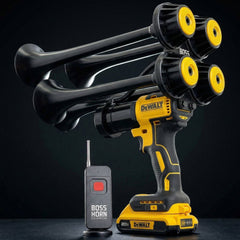
No. A horn is a backup for scaring off an animal that's already in camp. Clean cooking and locked-up trash are what keep animals away in the first place.


Ready to upgrade your camp kitchen?
The VOZ Camp Kitchen includes everything you need in one weatherproof case. Sets up in 15 seconds.
Shop VOZ Camp Kitchen →

