Buying a Used Camp Kitchen or Chuck Box: What to Check Before You Pay

Scroll through Facebook Marketplace, REI's used-gear shop, or any overlanding forum and you'll find secondhand camp kitchens and chuck boxes at tempting prices. Some are barely-used bargains. Others are a rusted stove and a moldy water tank wearing a nice case. This checklist walks you through exactly what to inspect, component by component, before you hand over cash.
Why the Used Camp Kitchen Market Is Worth a Look
The secondhand market for camp cooking gear is real and growing. REI's used-gear program runs a dedicated Camp Kitchen category, and REI has said that buying used gear typically avoids 50% or more of the carbon emissions that go into producing new gear. Between garage sales, marketplace listings, and used-gear sites, patient shoppers can genuinely save money.
But a camp kitchen box is not a cast-iron skillet. A skillet has one failure mode you can see at arm's length. A camp kitchen has hinges, latches, folding legs, a stove with fittings, water lines, a pump, and seals — more moving parts than almost anything else at your campsite. That's precisely why used listings need a hands-on inspection, not a photo-based gut call. If you're new to the category and want to understand what these boxes are supposed to do when everything works, start with our complete camp kitchen box guide, then come back to this checklist.
One ground rule before we start: never buy a folding camp kitchen you haven't seen fully set up. It's the same rule experienced buyers apply to used tents — the seller sets it up completely, in front of you, or you walk.
Step 1: The Case — Hinges, Latches, Legs, and Seals
The case is the component that decides whether the whole unit survives another five years of tailgates and washboard roads. Work through it slowly:
- Cycle every hinge — open and close each panel five to ten times. Listen for grinding, feel for wobble, and look for hairline cracks radiating from the screw points.
- Snap every latch — a latch that no longer pulls the lid tight means the box won't stay weatherproof in a truck bed.
- Lock the legs — extend them fully, lock them, and push down hard on the work surface. Any sway or a leg that creeps under load is a structural problem, not a quirk.
- Sight down the panels — a warped lid or bowed side panel usually means the box was stored with weight on it or left in the sun for seasons.
- Open it and smell it — water stains, a musty odor, or corrosion on interior hardware tell you the box has been rained into or stored wet.

Cosmetic scratches are fine — they're your negotiating leverage. Structural cracks in load-bearing corners, stripped latch screws, or a lid that no longer sits square are the point where you stop negotiating and leave.
Step 2: The Water System — Tank, Lines, and Pump
The water system is where used camp kitchens hide their ugliest surprises, because most sellers store the box with a damp tank and never think about it again.
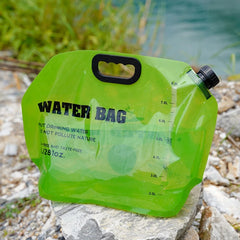
Open the tank and smell it. A stale or swampy odor means bacteria or algae have had months to work. Discoloration and visible film are common and often recoverable: the CDC's guidance for water storage containers is to wash with soap and water, then sanitize with a solution of 1 teaspoon of unscented household bleach (5%–9% sodium hypochlorite) per quart of water, swirled so it touches every interior surface, left for at least 30 seconds, then poured out and air-dried — the full procedure is on the CDC's emergency water supply page. What is not recoverable: a tank that's deeply scratched inside (scratches shelter bacteria through any sanitizing), or one the seller ever used for anything other than water. The CDC is blunt on that point — containers that previously held chemicals should never be reused for drinking water.
If the unit has a USB-rechargeable faucet pump, test it charged and running, not just powered on. Lithium-ion batteries lose capacity through calendar aging — they degrade slowly even sitting unused in a garage, and heat accelerates the process. A pump that has sat for two summers may power on, run for ten minutes, and die. Ask the seller to run it at full flow, check that the charge port isn't corroded or loose, and confirm the original charging cable is included.
Finally, trace every water line with your fingers. Vinyl tubing that has gone stiff, cloudy, or kinked needs replacement — cheap, but it's another line item for your offer math.
Step 3: The Stove — Never Skip the Leak Test
The built-in stove is the one component where a bad purchase isn't just a waste of money — it's a safety problem. Inspect it in this order:
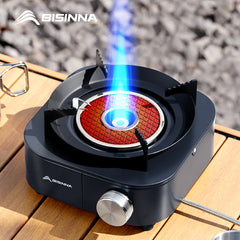
- Burner condition — surface rust on a burner ring is normal; flaking rust and clogged flame ports are not. A burner that lights unevenly or shows lazy yellow flames needs cleaning at minimum, replacement at worst.
- Hose and regulator — flex the fuel hose along its full length and look for cracking, especially near the crimped ends. Check the regulator threads for damage.
- The soapy-water leak test — this is the non-negotiable step. Mix a squirt of dish soap into a cup of water, brush it over every fitting and connection, then slowly open the fuel valve. Bubbles forming at a joint mean gas is escaping. Propane safety guidance, including Scouting America's, is consistent: bubbles mean you shut the valve, and you never, ever check for a leak with a match or lighter.

Bring a fuel canister to the inspection so you can actually run this test. A seller who refuses to let you connect fuel and light the burner is telling you something.
If the stove turns out to be shot but the rest of the box is solid, a standalone burner can substitute — just price that into your offer honestly.


Step 4: Do the Math Before You Haggle
Used prices only make sense against two reference points: what the unit costs new, and what it will cost you to make the used one whole. Before you meet a seller, check where the model sits in the market — our breakdown of camp kitchen price tiers covers what budget, mid-range, and premium boxes actually deliver. Then total the repair list from your inspection: a replacement pump, new tubing, a regulator, missing utensils, sanitizing supplies. It adds up faster than most buyers expect.
Also weigh remaining lifespan. A well-built, well-kept camp kitchen serves for many seasons — we've covered how long a camp kitchen lasts and which components wear first. A used box that's already deep into its hinge and latch life is a very different value than one used on three trips.
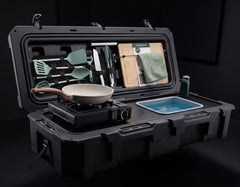
And sometimes the honest math says buy new. When the used price plus repairs lands within striking distance of retail, a new unit wins on warranty, seller support, and a complete parts list alone. A new VOZ Camp Kitchen, for example, ships as a complete system — stove, sink, USB-rechargeable faucet, water tank, and 30+ camp items in one weatherproof case — with nothing to sanitize, no mystery hours on the pump battery, and a warranty behind it.


FAQ
What's the single most important thing to check on a used camp kitchen?
The stove's fuel system. Everything else on the box costs money if you miss it; a leaking fitting is a safety hazard. Run the soapy-water test on every connection before money changes hands, and walk away from any unit that bubbles after re-tightening.
Is a stained or smelly water tank a dealbreaker?
Usually not. Odor and light discoloration typically respond to the CDC bleach-sanitizing procedure described above. Walk away only if the tank interior is heavily scratched, the plastic has gone cloudy and brittle, or the seller ever stored anything other than water in it.
Should I buy someone's used DIY plywood chuck box?
Be extra careful. Homemade boxes vary wildly in weight, joinery, and weather sealing, and there's no parts support at all — every repair is a woodworking project. Our comparison of DIY plywood chuck boxes vs. buying a camp kitchen goes deeper on the trade-offs.
What should I ask the seller to include?
The manual, the pump's charging cable, the regulator and fuel hose, and every utensil and accessory from the original packing list. Missing accessories are individually cheap but collectively annoying — and they're legitimate grounds to lower your offer.
Ready to upgrade your camp kitchen?
The VOZ Camp Kitchen includes everything you need in one weatherproof case. Sets up in 15 seconds.
Shop VOZ Camp Kitchen →