Camp Kitchen for Scout Troops: What a Modern Patrol Box Setup Looks Like

The patrol box has been scouting's answer to the camp kitchen for generations: one box, one patrol, everything a crew of hungry scouts needs to put dinner on the table. What has changed is the box itself — the modern version weighs about half as much as the plywood classic, carries its own sink, and doesn't take two adults and a count of three to move.
Why Every Patrol Cooks From Its Own Box
Scouting runs on the patrol method, and cooking is where that method earns its keep. A patrol is a small team — normally six to eight scouts — and on a campout that team plans its own menu, shops for its own food, and runs its own kitchen. One scout sets up the stove, another hauls water, someone cooks, and the rest serve and clean on a rotating duty roster. Nobody eats until the patrol makes it happen.
The patrol box exists to make that possible. When each patrol has its own complete kitchen — stove, pots, utensils, wash gear — you get two things a shared troop kitchen can't deliver. First, independence: the patrol can cook without borrowing anything. Second, accountability: the box gets inventoried after every campout, and if the spatula is missing or the pot went home dirty, everyone knows exactly which patrol owns the problem. Troops have long encouraged patrols to paint and decorate their boxes for the same reason — ownership is the point.
The Classic Plywood Patrol Box: A 70-Pound Institution
The traditional answer is a plywood chuck box, and it's a genuinely good piece of design. The build that Scout Life magazine publishes uses a single standard sheet of 9/16-inch plywood, a fold-down front panel that becomes a work surface at a comfortable 30-to-34-inch height, and bolt-on legs attached with carriage bolts and wing nuts — no tools needed at camp. Inside: shelves and drawers sized to the patrol's pots, pans, and utensils.
The problem is physics. A full sheet of 3/4-inch plywood weighs about 70 pounds, and a patrol box uses most of a sheet — so heavier builds land at 65 to 70 pounds before a single pot goes in. Even a 1/2-inch build runs close to 50 pounds empty. Load it with cookware, a cast-iron skillet, and a stove, and the box can crest 100 pounds. Readers on Scout Life's own build page report boxes "so heavy it took 2 strong adults to carry them" — which is a strange spec for equipment built for 11-to-14-year-olds. A kitchen the patrol can't move without adult muscle quietly undermines the independence the box was supposed to teach.

What Troops Replaced It With
Scouters have been hunting for a better patrol box for years — Scouting Magazine ran a whole reader discussion on replacing worn-out wooden boxes with something lighter. Two directions emerged.
The first is lighter materials. One well-documented example is a troop-built aluminum patrol box: 20 by 20 by 36 inches, just over 40 pounds empty — roughly half the weight of a plywood equivalent — with spring-loaded recessed handles on both sides so younger scouts can actually carry it. Two fold-down side doors double as a cooking surface and a prep surface, and the box swallows cooking and eating gear for eight scouts plus a two-burner propane stove and a 5-pound fuel tank.
The second direction is ready-made. At least one chuck-box maker sells a dedicated patrol box for scout troops as a Baltic-birch kit — the patrol assembles its own box as a project, then uses it for years. Both fixes chase the same three targets: less weight, a carry scouts can manage, and organization that survives a duty roster of rotating 12-year-old quartermasters.
What a Modern All-in-One Patrol Box Looks Like
The newest option skips woodworking entirely: an all-in-one camp kitchen box that arrives complete. If you're outfitting a patrol — or a Scouting family that camps on its own between troop trips — here's the checklist that matters:
- A two-scout carry. Keep the loaded weight under about 60 pounds with handles on both sides, and two scouts can move the whole kitchen from trailer to picnic table without an adult.
- Everything in one box. Stove, cookware, utensils, and wash gear packed inside — one item on the trailer packing list instead of five totes.
- A real wash station. Cleanup is the duty nobody volunteers for; a built-in sink with running water makes it dramatically less painful.
- A weatherproof shell. Troop gear lives in an unheated trailer 300 days a year. Plywood swells and delaminates; a sealed case doesn't.
- Fast setup. Troops routinely roll into camp Friday night in the dark. A kitchen that deploys in seconds means the duty patrol can still put out a late meal.
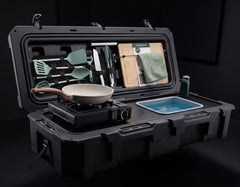
That checklist describes the VOZ Camp Kitchen almost point for point: it weighs 57 pounds fully loaded with 30+ cooking items already inside, and it folds open in about 15 seconds with a built-in stove, a sink, a 2-gallon water tank, and a USB-rechargeable faucet. Put that number next to the classic build and the comparison writes itself — the complete, loaded modern kitchen weighs less than many empty plywood patrol boxes.


| Setup | Weight | Carry | Wash station |
|---|---|---|---|
| DIY 3/4" plywood patrol box | 65–70 lb empty; 100+ lb loaded | Two adults | Separate bins |
| Troop-built aluminum box | ~40 lb empty, before gear and stove | Two scouts (recessed handles) | Separate bins |
| Modern all-in-one camp kitchen | 57 lb loaded, 30+ items included | One adult or two scouts | Built-in sink with running water |
For a deeper walkthrough of what separates a good box from a great one — materials, stove type, water system, counter space — see our guide to the best camp kitchen setup in 2026.
Running Patrol Duty Stations Around the Box
A patrol box isn't just storage — it's the anchor for the duty roster. The setups that run smoothest assign each rostered job its own zone around the box:
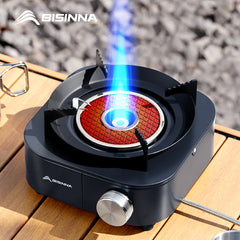
- Cook zone: the stove, with the assigned cook and nobody else in front of it. For a big patrol cooking two dishes at once, a standalone two-burner camp stove next to the box doubles the burner count.
- Prep zone: the fold-down counter or box lid, where the assistant cook chops and stages ingredients.
- Wash zone: the sink side of the box. Run cleanup as the classic three-bin wash method — hot wash, rinse, sanitize — and the duty scout can finish dishes for eight in under half an hour.


The quartermaster's job gets easier too. One box with a fixed inventory beats a pile of totes: open the lid, check that every item is back in its spot, close the lid, done. That five-minute check after each campout is what keeps a patrol kitchen complete for years.

FAQ
How heavy should a patrol box be?
Aim for a loaded weight two scouts can carry safely — in practice, under about 60 pounds with solid handles on both sides. The classic 3/4-inch plywood box misses that target before you even load it; a modern all-in-one box hits it with all 30+ items inside.
How many patrol boxes does a troop need?
One per patrol, plus one for the adult leaders who cook separately under the patrol method. A troop with three patrols of six to eight scouts needs four boxes — which is exactly why weight and trailer space add up fast.
Is building a plywood box still worth it as a troop project?
As a woodworking project, absolutely — scouts learn real skills and the patrol earns ownership of what it builds. As a kitchen, go in with open eyes about the weight and the upkeep. We've run the full numbers in our comparison of a DIY plywood chuck box vs. buying a camp kitchen.
How much water does a patrol kitchen need?
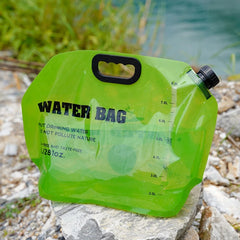
A built-in 2-gallon tank covers cooking and dishwashing for one patrol meal. For a full weekend, have the water-duty scout refill from the campground spigot or a larger jug between meals — refilling a small tank is a job a scout can own, which fits the patrol method better than hauling one giant container.
Ready to upgrade your camp kitchen?
The VOZ Camp Kitchen includes everything you need in one weatherproof case. Sets up in 15 seconds.
Shop VOZ Camp Kitchen →