Taking a Camp Kitchen to Baja and Mexico: Propane Fittings, Refills, Water, and What to Pack Before the Border

A camp kitchen that works fine in Utah needs a few changes before Baja. The things that change are fuel, water, and what you can carry back north. The cooking itself stays the same.
This guide covers what to change in your kitchen box before you cross: which fuel to rely on, how US propane tanks get refilled south of the border, where to fill a sink tank, and what to finish eating before you head home. If you're still choosing a setup, start with our camp kitchen buying guide, then come back here.
Fuel: bring what you burn, and plan the refill
Baja has plenty of fuel. Getting it into your container is the hard part. Mexico sells LP gas, a propane-butane blend. Under the Mexican standard it is at least 60% propane and no more than 40% butane. It works in a propane stove, but it comes through bulk plants (gaseras) and delivery trucks, not tank-swap cages at the grocery store.
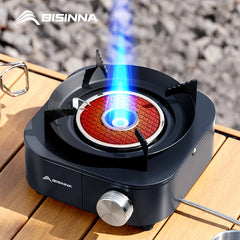
- Butane cassette stoves, including the burner built into most kitchen boxes, burn canisters you buy at home. We couldn't confirm how easy cassettes are to find in Baja, so pack every canister you expect to use plus a spare day's worth. Don't plan on buying them there.
- 1-lb green propane bottles show up in some tourist areas, but Baja travelers on the forums disagree about how easy they are to find. Never refill them. The federal hazmat agency PHMSA says DOT-39 cylinders are strictly non-refillable and were not built to handle being emptied and refilled.
- A refillable 20-lb tank with an adapter hose is what long-haul Baja travelers usually run. One tank gets filled once at a gasera and lasts for weeks.
If your trip is longer than a week or two, set up the main stove on a refillable tank and keep the box's butane burner as the quick second burner for coffee and side dishes. The numbers behind that split are in our butane vs. propane breakdown.


Refilling a US propane tank in Mexico
Here's what Baja regulars on BajaNomad and iOverlander report, and why it matters for the kit you pack:
- Fittings don't always match. Mexican fill nozzles are set up for vehicle tanks and installed home tanks, not US barbecue cylinders. An older Baja road guide notes that bulk plants use the same "fast fill" nozzles as the US and Canada, but some refuse to fill cylinders with POL valves. A long-running BajaNomad tip is to buy a POL fill adapter at a US propane dealer before you go. Test it at home: with the adapter threaded in and the tank valve cracked, gas should flow, which shows the adapter actually opens the valve.
- Delivery trucks are your backup. Several posters say trucks that top off home and business tanks carry the adapters needed for loose or RV-mounted tanks. If a gasera turns you away, ask a driver working in your town.
- Agree on the price before they fill. iOverlander reviews include complaints about overcharging and reported fill amounts larger than the tank holds. Ask the price first and say exactly how much you want. As a reference point, a June 2026 report put the regulated maximum in Tijuana, Tecate, and San Felipe at 19.90 pesos per kilogram.
- Kill ignition sources at the pump. The same road guide says many dispensers don't have bleeder valves, so a little liquid escapes when the nozzle comes off. Turn off the engine, put out cigarettes, and keep the stove cold during a fill.
Pack a spare regulator, a spare hose, and a few O-rings. If a regulator fails 300 miles south of the border, you may not find the exact part. A spare costs little and weighs almost nothing.

Water: garrafones, hose fills, and what goes in the sink tank
Baja makes water easy once you know how it works. Most towns have a purificadora, a small shop that refills 19-liter garrafones (about 5 gallons each). iOverlander check-ins from the last few years list roughly 12 to 17 pesos per jug, and many shops have a hose for filling van and RV tanks directly. Some shops have low palapas or overhead wires, so tall rigs should look up before pulling in.
A practical system for a kitchen box:
- Drinking and cooking: garrafón water or factory-sealed bottles. The CDC's travel water guidance calls factory-sealed bottled water the safest option for most travelers. It also warns that contaminated water can make you sick when used for cooking, washing food, making ice, or brushing teeth, not just for drinking.
- The sink tank: fill it with purified water too. Water from your faucet will end up rinsing lettuce and the cutting board, so treat it as drinking water.
- Backup treatment: per the same CDC page, bring water to a rolling boil for 1 minute, or 3 minutes above 6,500 feet. Most portable filters remove parasites but not bacteria or viruses, so a filter alone isn't a complete fix.
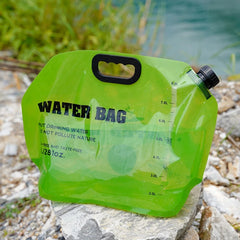
One garrafón refills a 2-gallon kitchen tank about twice, so a single jug in the back covers a couple of days of dishes and cooking for two. A jug with a spigot makes the refills easy. For how stateside refills compare, see our guide to refilling a kitchen tank on the road, linked below.


The kitchen box itself: what to pack before the border
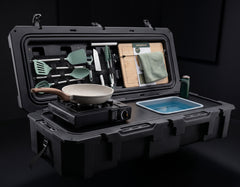
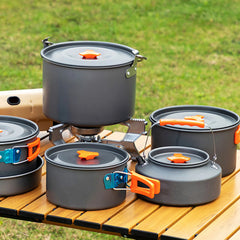
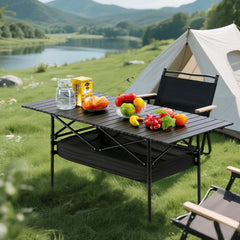
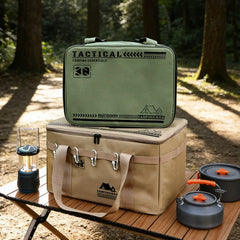
An all-in-one box earns its keep on a Baja trip. Beach camps are windy and sandy, campsites are often just a flat spot off the highway, and you want water, stove, and utensils in one place. The VOZ Camp Kitchen carries a built-in butane stove, a foldable sink with a USB-rechargeable faucet, a removable 2-gallon water tank, and 30+ cooking items in one weatherproof case. That's one less bin to dig through every evening.


Checklist before you leave the US:
- Every butane canister you'll need, plus extra, stored upright and out of direct sun
- Refillable propane tank, POL fill adapter (tested), spare regulator, hose, and O-rings
- A charging cable for the faucet, since shore power is rare at beach camps
- A collapsible jug or hard container for a spare garrafón's worth of water
- Biodegradable soap and a strainer for food scraps
- A dust cover or packing plan for washboard roads. Baja's dirt spurs are hard on latches.
Graywater should be strained and scattered well away from beaches and arroyos, the same Leave No Trace method we cover in where to dump camp kitchen graywater. Some campgrounds have their own rules, so ask on arrival.

Driving logistics that touch the kitchen
- Insurance. The State Department's Mexico page says Mexican liability insurance is required, and your US policy may not cover you. Buy it before you cross.
- Vehicle permit. The Baja peninsula is widely reported as a free zone where a foreign-plated vehicle doesn't need a temporary import permit. If you plan to take the La Paz ferry to the mainland, you will need one. For how ferries handle propane and butane, see our ferry propane rules guide (linked below). It covers US and Canadian lines, but the questions to ask the ferry operator are the same.
- Cooking on the road north of the border. The rules for rest areas and pullouts on the drive down are in cooking at rest areas and trailheads.
Coming home: empty the cooler before the line
Customs mostly affects the food in your cooler, not the kitchen gear. CBP's agricultural page says all travelers must declare meats, fruits, vegetables, plants, and similar items. It also lists stone fruit, apples, mangoes, oranges, guavas, and several other fruits from Mexico as needing a permit. In a February 2025 reminder, CBP said fresh eggs and raw chicken from Mexico are prohibited and that failing to declare agricultural items can bring fines of up to $10,000.
For a kitchen box, that means planning the last two days of meals around what you're carrying: eggs for breakfast, chicken for dinner, and fruit eaten before you reach the line. Declare anything left over. Rules change, and the official CBP and USDA pages are the only current source, so check them the week you travel.
FAQ
Can I use Mexican LP gas in my US propane stove?
Generally yes. Mexican LP gas is a propane-butane blend that is mostly propane, and Baja travelers run US propane stoves and RV appliances on it routinely. Getting it into your tank is the hard part, which is why the POL adapter matters.
Can I buy butane cassettes for my kitchen box in Baja?
We couldn't confirm reliable availability, so plan as if you can't. Pack every canister you'll need from home.
Is it OK to fill my sink tank from a gas station hose?
Long-time Baja travelers use station hoses for washing the truck, not for food. A kitchen sink tank rinses produce and dishes, so fill it at a purificadora.
Do I need to declare my camp stove at the US border?
The declaration rules CBP highlights for travelers are about food, plants, and animal products. The kitchen gear isn't the issue. The eggs and fruit in the cooler are.
Rules and conditions in Mexico change. Prices, fittings, and permit requirements here reflect sources available as of October 2026. Verify current rules with CBP, the State Department, and your insurer before you go.
Ready to upgrade your camp kitchen?
The VOZ Camp Kitchen includes everything you need in one weatherproof case. Sets up in 15 seconds.
Shop VOZ Camp Kitchen →